Every sponsor conversation follows the same arc now.
Before the creative brief, before the concept, before the first sketch on a whiteboard, someone asks: how do we measure this?
That question is not wrong. But it has reshaped how events get made. And not always in ways the industry is willing to admit.
The Tension Is Real
Let's be precise about what has changed. A decade ago, event budgets were justified through instinct and reputation. A brand trusted its agency, the agency trusted its team, and the team trusted the idea. ROI was something you cited retroactively, if at all.
Today, that contract has been renegotiated. Sponsors arrive with KPI frameworks. Marketing directors present post-event decks to CFOs. Footfall data, media value, social reach, and cost-per-engagement are standard line items. This is not a trend, it is a structural shift in how experiential investment is governed.
The creative risk this creates is real. When every element of an event must be tied to a measurable output, the ideas most likely to survive approvals are the ones easiest to track, not necessarily the ones most likely to move people.
The Reality
The ideas most likely to survive approvals are the ones easiest to track, not necessarily the ones most likely to move people.
What the Data Actually Shows
The most-measured events in the MENA region are also, frequently, the most attended, the most shared, and the most commercially successful. That is not a coincidence.
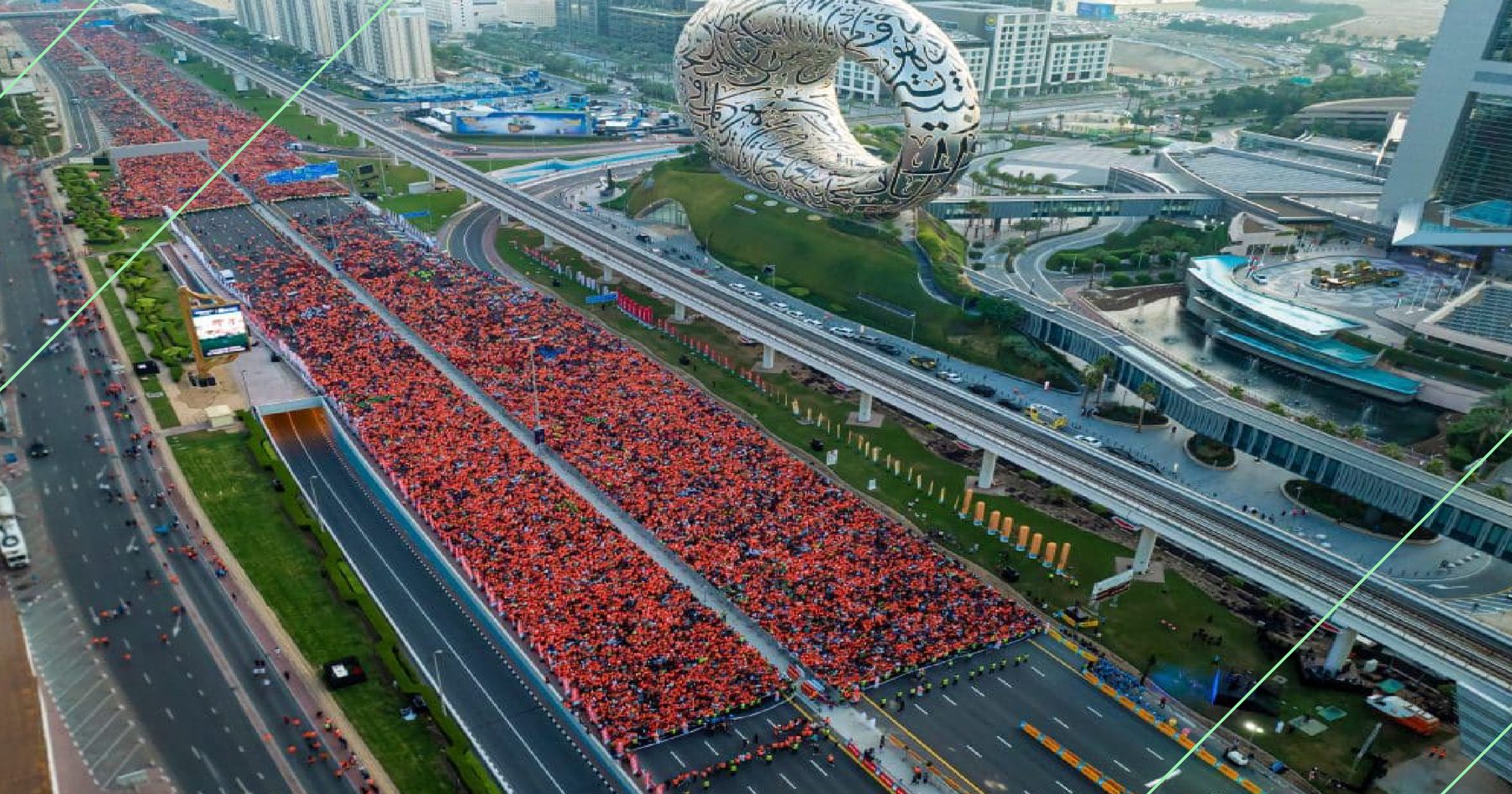
When LINKVIVA delivered Cyber Run & Ride 2026 for Abu Dhabi Sports Council, the event carried 21 sponsors, 20 exhibitors, and 12,946 participants across three days. That level of sponsor density only becomes manageable, and sellable, when you can demonstrate audience reach, demographic data, and activation dwell time.
The metrics are not a constraint on the experience. They are what made the experience fundable.
The same logic applies at the highest creative end of our portfolio. KAYAN Wellness Festival, the region's first-of-its-kind wellness festival, awarded Best Festival of the Year 2025, generated 54.3M reach, 24.2M views, and 39 influencer partnerships. The event succeeded creatively because it succeeded commercially. The two things are not in opposition.
21
Sponsors, Cyber Run and Ride 2026
Each one measured, each one justified.
12,946
Participants, Cyber Run and Ride 2026
The reach data every sponsor asked for.
54.3M
Reach, KAYAN Wellness Festival
A creative concept with a measurable outcome.
39
Influencer partnerships, KAYAN
Best Festival of the Year 2025.
Where the Conflict Actually Lives
The real problem is not that clients want ROI. The real problem is when ROI metrics are applied to the wrong moments, when every creative decision must justify itself in the language of reach and conversion before it has been allowed to exist as an idea.
Consider what gets eliminated when an approval process runs entirely on measurement logic:
- 01Surprise. The unscripted moment that becomes the story people share, and that no brief could have predicted.
- 02Texture. The environmental detail that shifts how people feel inside a space, unmeasurable in advance, unforgettable in practice.
- 03Risk. The concept no one has tried yet, and therefore cannot point to prior results for.
None of these things are measurable in advance. All of them are what people remember afterwards.

The Insight
The events with the highest organic reach are rarely the ones built around the most rigorous pre-approved metrics.
The Agency's Actual Role
This is where 20+ years and 1,000+ events becomes the real differentiating factor, not in the ability to execute, but in the ability to hold two things at once.
This is not a theoretical argument. It is every project.
Creative + Commercial, Written Together
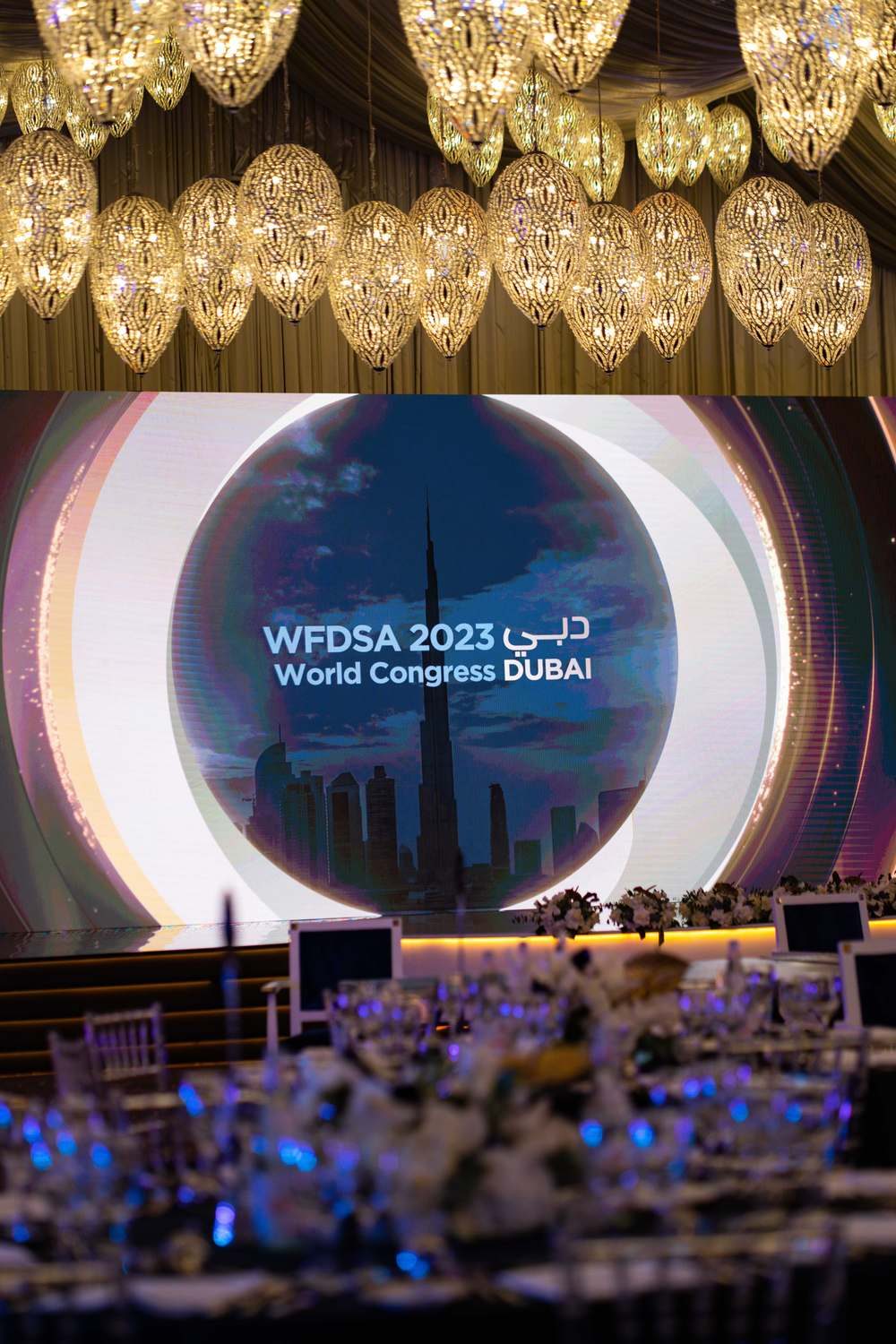
WFDSA World Congress Dubai
The first WFDSA World Congress ever held in the Middle East. The creative and commercial brief were written together, not in sequence. The Gala Dinner generated coverage across 40+ markets. The metrics followed the idea; the idea did not follow the metrics.
335
Delegates
40+
Markets covered
1st
Congress in the Middle East
The Brief With No Benchmark
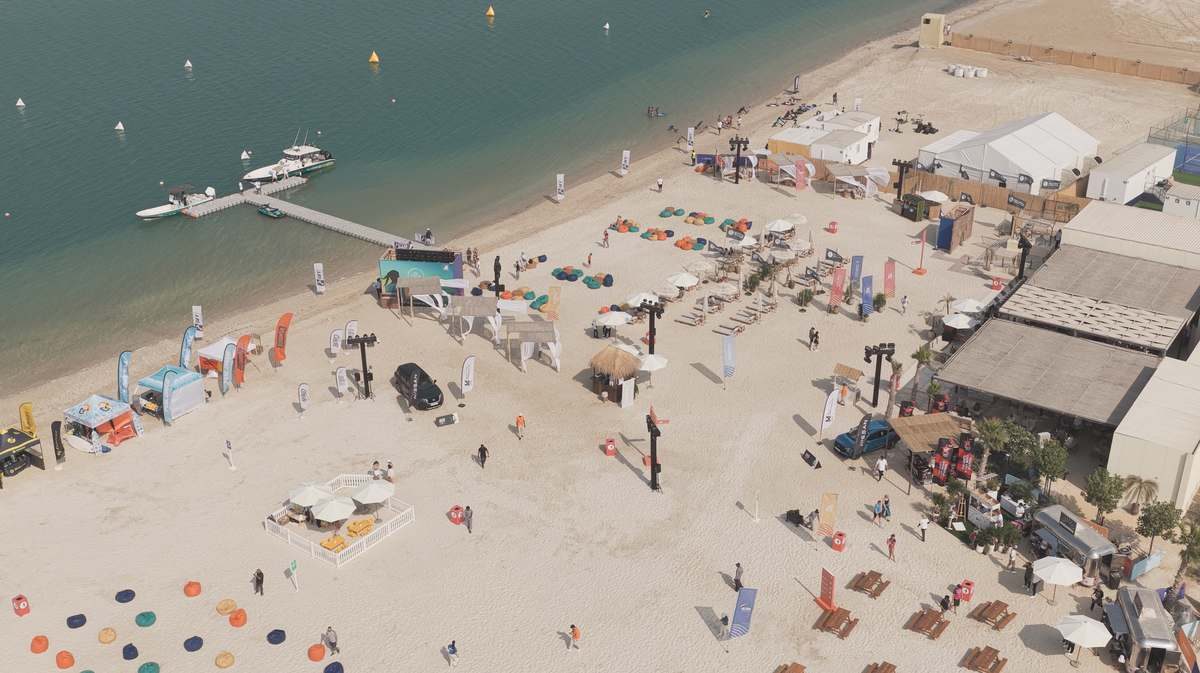
Aldar GCEO, Fahid Island
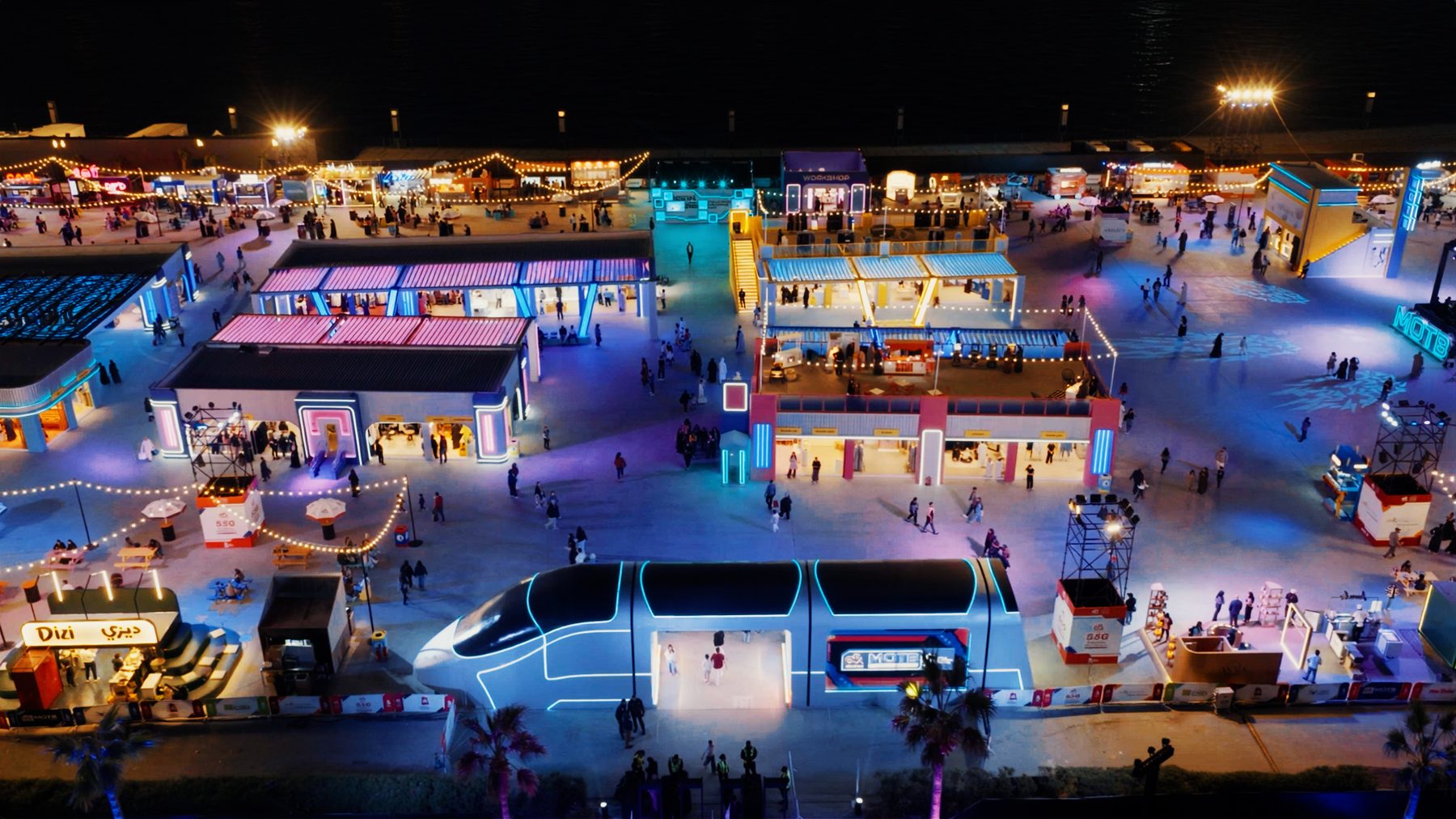
First-ever activation on the untouched shores of Fahid Island. Five days. No comparable events, no prior reach data, no benchmark figures. The brief was to deliver something no one had seen before. The follow-up activations that resulted are the ROI story, but a creative bet made them possible.
400
Stakeholders
5
Days on site
1st
Activation on Fahid Island
Metrics as Enabler, Not Constraint

Cyber Run & Ride 2026
21 sponsors. 12,946 participants. A major route change two weeks out, requiring rapid agile planning. The data did not limit the experience, it funded it. Sponsor density at this scale only works when you can prove the reach.
12,946
Participants
21
Sponsors
20
Exhibitors
3
Day village
The pattern is consistent. The agency's role is not to choose between creativity and accountability. It is to protect the ideas that cannot defend themselves in a spreadsheet, long enough to prove what they can do.
The Position
The agency's role is to protect ideas that cannot defend themselves in a spreadsheet, long enough to prove what they can do.
A Framework Worth Considering
Rather than treating creativity and ROI as opposing forces, the more useful question is: at which stage does each type of thinking belong?
Briefing and strategy
- Measure here first
- Define the commercial outcomes you need to achieve. This is the right moment for measurement logic, before the idea exists, not after it does.
Concept development
- Lead with the idea
- Measurement logic comes after the creative premise is established, not before. Protect the thinking from the spreadsheet.
Execution and post event
- Build the instrumentation
- Track what can be tracked without stripping out what cannot. Both things can exist on the same event.
- Report honestly
- Include the outcomes you did not expect. The unplanned results are often the most important ones.
The events that fail on both creative and commercial terms are usually the ones where measurement pressure was inserted too early, killing the idea before it could be tested, or too late, leaving sponsors without the proof they needed to renew.
This is not a soft position. It is a more sophisticated one.
Final Thought
ROI Hasn't Killed Creativity. It Has Made the Brief More Political.
The agencies, producers, and clients who navigate that politics well, who know when to hold the idea and when to show the data, are the ones building events people still talk about.
The tension between storytelling and accountability is not a problem to be solved. It is the job.
And after 20 years, we would argue: it always was.
Want the thinking behind this applied to your brief? Talk to the team.